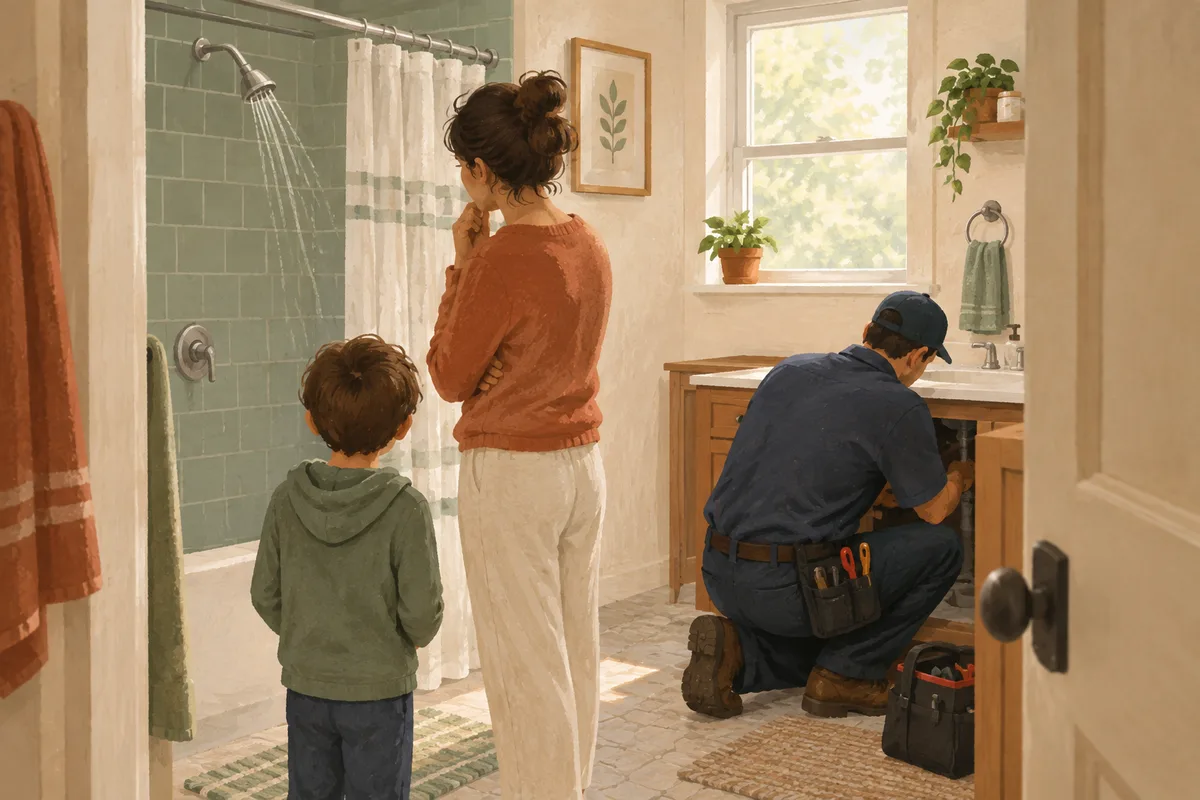
Why Your Water Pressure Dropped
There is nothing quite as annoying as turning on the shower and getting a trickle instead of a strong, steady stream. If you have noticed your water pressure dropping lately, you are not imagining it, and you are definitely not alone. Homes in Wheat Ridge deal with a mix of older plumbing, mineral-heavy water, and seasonal temperature swings that can all play a role in weak water flow.
The good news is that a pressure drop does not always mean something serious is wrong. Sometimes the fix is as simple as cleaning out a small part under your sink. Other times, it is a sign of a bigger issue hiding behind your walls or under your yard. Knowing the difference can save you time, frustration, and unnecessary worry.
Below are the most common reasons water pressure drops, along with an honest look at which ones you can tackle yourself and which ones are better left to a professional.
Clogged Aerators and Showerheads
This is the most common culprit, and thankfully, the easiest to fix. The little screen at the tip of your faucet, called an aerator, can collect mineral build-up over time. Showerheads have the same problem, since small holes get blocked by deposits from hard water.
If only one faucet or showerhead is affected, this is likely your answer. You can unscrew the aerator or showerhead, soak it in a mix of water and white vinegar for a while, then scrub it gently with an old toothbrush before rinsing and reattaching it. This is a completely DIY-safe project and often solves the problem within an hour.
If you try this and the flow is still weak, or if the low pressure is happening at more than one fixture, the cause is probably something else on this list.
Mineral Build-Up Inside Your Pipes
Colorado water tends to carry a fair amount of dissolved minerals. Over years, those minerals can settle inside your pipes, slowly narrowing the space water has to flow through. This kind of build-up tends to affect your whole house rather than just one faucet, and it develops gradually, so you might not notice until the pressure has dropped quite a bit.
Unfortunately, this is not something you can clean out yourself the way you would an aerator. The build-up is inside pipes you cannot easily reach, and attempting to force anything through them can cause damage. If you suspect this is happening, especially in an older home, it is worth having a professional take a look so the pipes can be properly assessed.
Hidden Leaks You Cannot See
A leak anywhere in your water line, whether it is behind a wall, under a slab, or buried in the yard, can pull pressure away from your fixtures. Hidden leaks are sneaky because they do not always show obvious signs right away. You might notice a damp spot on the ceiling, an unexplained increase in your water bill, or a hissing sound near a wall, but sometimes the only clue is that your water pressure just is not what it used to be.
This is not a DIY situation. Chasing a hidden leak without the right tools usually means tearing into walls or floors that did not need to be opened, and you can still miss the actual source. Leak detection equipment can pinpoint the exact location without unnecessary guesswork, which saves your home from extra damage during the repair.
If you have ruled out clogged aerators and are still seeing low pressure, especially paired with any signs of moisture, it is a good idea to have this checked out sooner rather than later.
Water Heater Trouble
If the pressure drop only happens with hot water, your water heater might be the source. Sediment can build up inside the tank over time, and this build-up can restrict flow on its way out to your fixtures. A partially closed valve near the water heater can also cause this exact symptom.
You can safely check that the valves near your water heater are fully open, since that takes just a minute and requires no tools. Beyond that, water heater repair involves parts and pressure systems that are best handled by someone familiar with how the unit works, so it is not something to take apart on your own.
When the Problem Might Be Bigger
If your water pressure dropped suddenly and dramatically across your entire house, and none of the simple fixes above solve it, the issue could be related to your main sewer or water line. Tree roots, ground shifting, or aging pipe materials can all affect the lines that bring water to your home or carry it away.
These situations are not something to guess at. A drop in pressure paired with slow drains, gurgling sounds, or soggy patches in the yard are worth mentioning to a plumber right away so the actual cause can be identified.
If you are dealing with a pressure change you cannot explain, feel free to call Ridgeline Plumbing & Drain in Wheat Ridge and talk through what you are noticing. A quick conversation can often point you toward the right next step, whether that is a simple at-home fix or a closer look from someone who does this kind of work every day.
Questions about your own situation? The team at Ridgeline Plumbing & Drain is happy to help — call us at (720) 555-0117 or request an appointment.
This article is for general information only.