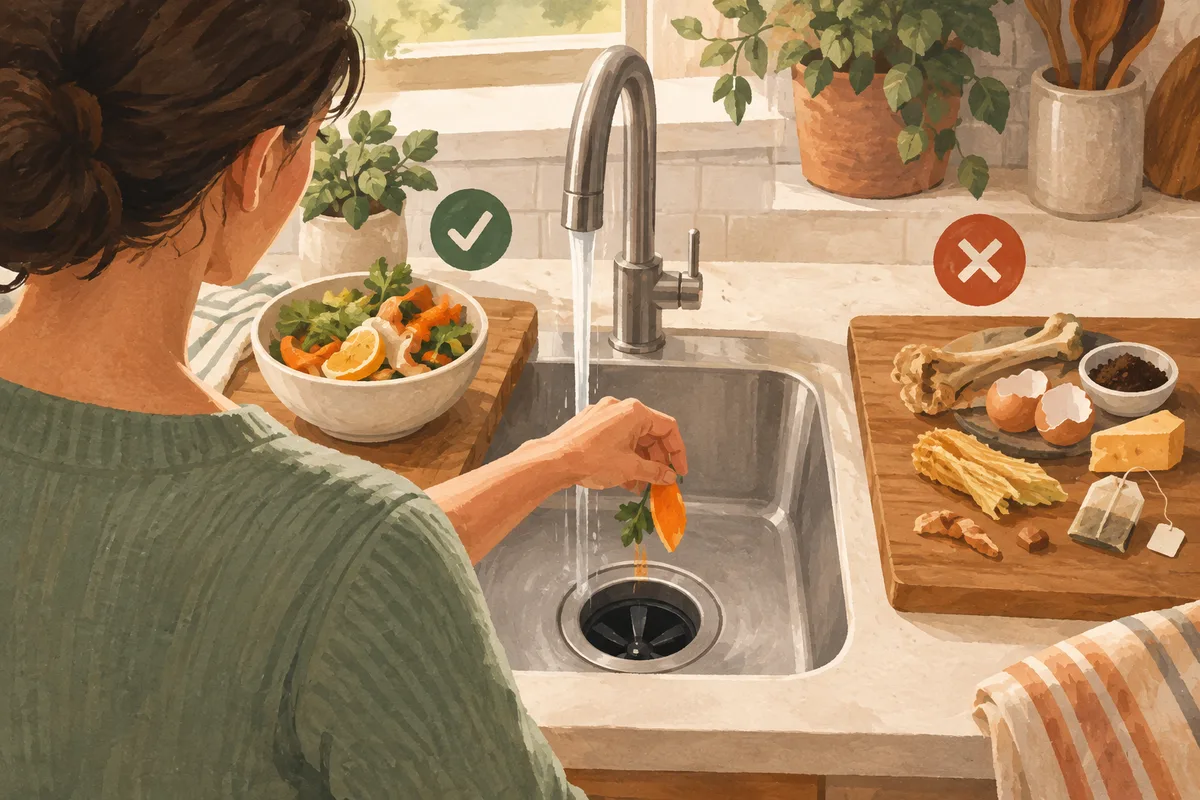
What Your Garbage Disposal Can and Can't Handle
Your garbage disposal handles a lot without much thanks. It grinds up scraps every day and rarely gets a second thought until something goes wrong. Then suddenly it's making a strange noise, backing up, or refusing to turn on at all.
Most disposal problems start small. A bit of grease here, an eggshell there, and over time the unit works harder than it should. Knowing what your disposal can actually handle, and what habits wear it down, can save you a lot of hassle down the road.
Here in Wheat Ridge, we see the same disposal issues pop up again and again. Most of them come down to a handful of common mistakes that are easy to fix once you know about them.
What Disposals Are Actually Built For
Garbage disposals are designed for soft food scraps, not for hard or fibrous material. Small bits of cooked vegetables, fruit peels, and leftover crumbs are usually fine. Running cold water while the disposal works helps move everything through the pipe instead of letting it settle.
The blades inside aren't actually sharp like knives. They're more like blunt plates that spin fast enough to break food into small pieces using force. That's an important detail, because it means the disposal relies on speed and water flow to do its job, not sharp edges cutting through tough material.
Because of that design, anything tough, stringy, or starchy can cause more trouble than you'd expect. It's not about strength so much as the type of material and how it reacts once it's ground up.
Foods That Cause the Most Trouble
Fibrous foods like celery, corn husks, and onion skins can wrap around the blades and stall the motor. Starchy foods like potato peels and pasta swell up when they mix with water, which can lead to thick build-up inside the drain line.
Grease and cooking oil are some of the biggest offenders. They go down as a liquid but cool and harden inside the pipes, narrowing the space where water and waste need to flow. Coffee grounds are another sneaky one. They seem harmless, but they clump together and settle low in the pipe over time.
Bones, fruit pits, and eggshells often get a bad reputation, and for good reason. They're simply too hard for the blades to break down the way they were designed to, and forcing it can dull the plates or strain the motor.
If you're ever unsure whether something is safe to grind, it's worth tossing it in the trash instead. A little extra caution costs you nothing and can spare your disposal a lot of stress.
Habits That Keep Your Disposal Running Smoothly
Running cold water before, during, and after use helps push waste through the line and keeps grease from settling. Cutting larger scraps into smaller pieces before feeding them in reduces the load on the motor and blades.
Avoid letting the disposal run empty for long stretches, and avoid overloading it with a big batch of scraps all at once. Feeding it a little at a time works better than dumping everything in together.
It also helps to give the disposal a break every so often rather than running it nonstop. Short, steady use with plenty of water is easier on the whole system than long runs under heavy load.
Sounds and Signs That Mean It's Time to Stop
A healthy disposal usually makes a steady, even hum. If you start hearing grinding, rattling, or a high-pitched squeal, that's a sign something inside isn't spinning the way it should. Turn it off right away rather than letting it keep running.
A humming sound with no grinding at all often means the motor is trying to turn but something is jammed. Continuing to run it in that state can put extra strain on the motor, so it's better to stop and check things out.
Slow draining, gurgling in the sink, or water backing up into other fixtures are signs the issue may be reaching beyond the disposal itself and into the drain line. That's the point where a closer look from someone who works with drains every day is worth the call.
If your disposal is acting up, or you're noticing slow drains anywhere else in the house, give Ridgeline Plumbing & Drain a call. We're happy to talk through what you're noticing and help you figure out the best next step for your home.
Questions about your own situation? The team at Ridgeline Plumbing & Drain is happy to help — call us at (720) 555-0117 or request an appointment.
This article is for general information only.