Protecting Your Pipes From Freezing
Winter in Wheat Ridge can bring long stretches of cold nights, and that cold does not stay outside. It can creep into crawl spaces, garages, and exterior walls, putting your home's pipes at risk of freezing. A frozen pipe is more than an inconvenience. If the water inside expands enough, the pipe can crack or split, leading to a mess once things thaw out.
The good news is that most freezing problems are preventable with a little planning. Knowing which pipes are vulnerable and taking a few simple steps now can save you a lot of hassle later. Here is what every homeowner should know about protecting their plumbing this winter.
Which Pipes Are Most at Risk
Not every pipe in your home faces the same risk. Pipes that run through unheated or poorly insulated areas are the ones to watch closely. This includes pipes in crawl spaces, attics, basements, and garages, as well as any pipes located along exterior walls with little insulation between them and the outside air.
Outdoor faucets, hose bibs, and the pipes that feed them are also common trouble spots, since they are directly exposed to the elements. If your home has a sprinkler system, the lines that supply it can freeze too if they were not properly drained before winter set in.
Even pipes inside the home are not always safe. Kitchen and bathroom pipes located under cabinets against an outer wall can get cold enough to freeze during a hard cold spell, especially if the cabinet doors stay closed and block warm air from reaching them.
Simple Ways to Protect Your Pipes
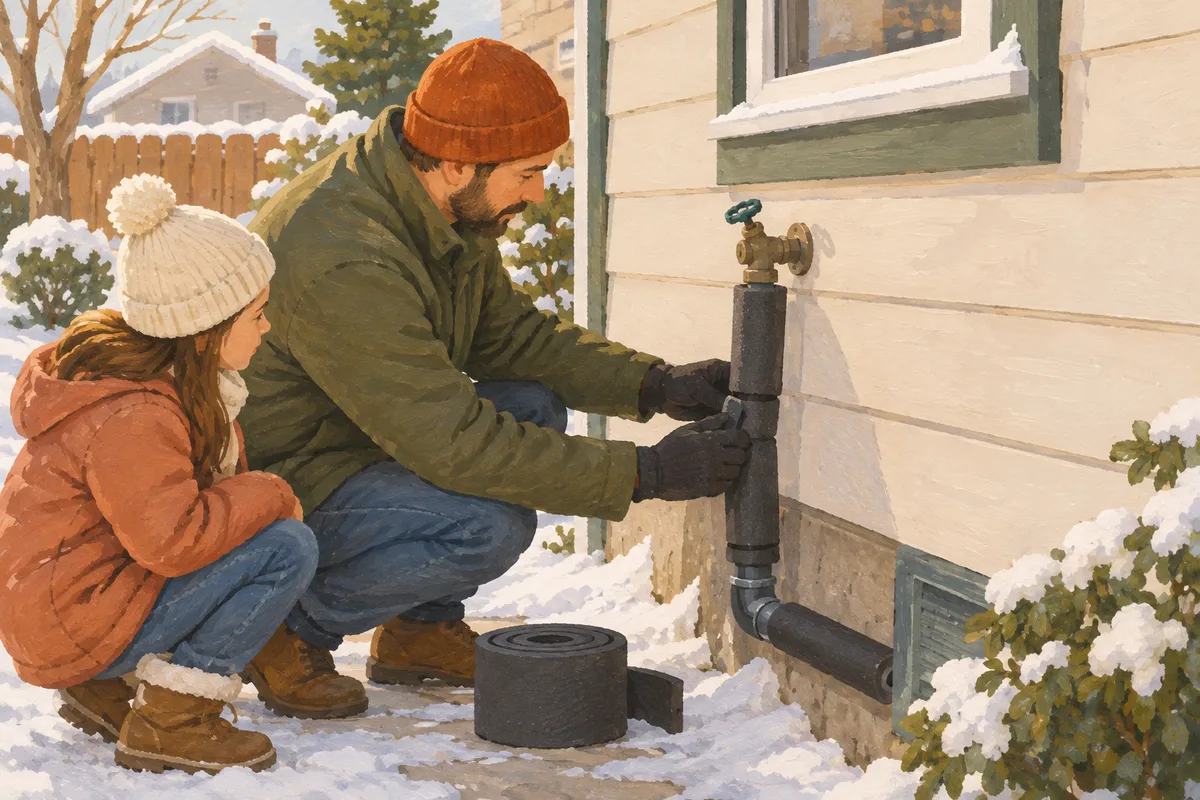
Insulation is one of the easiest and most effective ways to guard against freezing. Foam pipe sleeves are inexpensive and can be added to exposed pipes in basements, crawl spaces, and garages in a short afternoon project.
On especially cold nights, opening the cabinet doors under sinks that sit along exterior walls allows warmer household air to reach the pipes underneath. Letting a faucet drip slightly can also help, since moving water is less likely to freeze than water sitting still.
Before the coldest months arrive, disconnect garden hoses and drain outdoor faucets completely. If you have a sprinkler system, make sure the lines have been drained as well. Sealing up gaps and cracks near where pipes enter your home can also help block cold drafts from reaching them.
Keeping your home's overall temperature steady, even when you are away, goes a long way too. Avoid turning the heat off completely during a trip, even a short one, since indoor temperatures can drop faster than you might expect.
Signs a Pipe May Be Frozen
If you turn on a faucet and only a trickle or nothing at all comes out, a frozen pipe could be the reason, especially if the weather has been particularly cold. You might also notice frost on the outside of an exposed pipe, or a faint odd smell coming from a drain or faucet, which can happen when a blockage of ice forces odors back through the pipe.
Sometimes you will not see any obvious signs until you turn on the water and nothing happens. Paying attention to your water pressure and flow during cold weather can help you catch a problem early, before it turns into something bigger.
What to Do If a Pipe Freezes
If you suspect a pipe has frozen, the first step is to shut off the water supply to that area if you are able to locate the valve. This helps limit damage if the pipe has already cracked and water starts flowing once it thaws.
You can try gently warming the area around the pipe using a hair dryer on a low setting, a space heater kept at a safe distance, or towels soaked in warm water. Always avoid open flames or anything that could scorch the pipe or nearby materials. Warm the pipe gradually, starting from the end closest to the faucet and working back toward the coldest section.
If you cannot find where the freeze is happening, if the pipe is in a hard to reach spot, or if you notice any water pooling, bulging, or a strange smell, it is best to stop and call a professional rather than keep working on it yourself. Trying to force a stuck faucet or applying too much heat can sometimes make the problem worse.
When to Call for Help
Some freezing issues are simple to manage at home, but others call for a trained eye. If a pipe has already burst, if you are dealing with reduced water flow across multiple fixtures, or if you just are not sure what you are looking at, reaching out to a plumber can help you get a clear answer.
Ridgeline Plumbing & Drain works with homeowners throughout Wheat Ridge on issues ranging from drain cleaning and water heater repair to sewer line repair and leak detection, and we are glad to talk through any concerns about your home's pipes during the colder months. If you have questions about your specific setup or want a second opinion before winter fully sets in, give us a call. We are happy to help you refresh your knowledge on what to watch for and make a plan that fits your home.
Questions about your own situation? The team at Ridgeline Plumbing & Drain is happy to help — call us at (720) 555-0117 or request an appointment.
This article is for general information only.